amaTrac uluntu
amaTrac uluntu is a Non Profit organisation based in the Eastern Cape, South Africa
Infrastructure, basic services, food security and environmental degradation are challenges in many rural communities.
Our work empowers people to understand and act to improve their lives and to cope with the impacts of climate change.
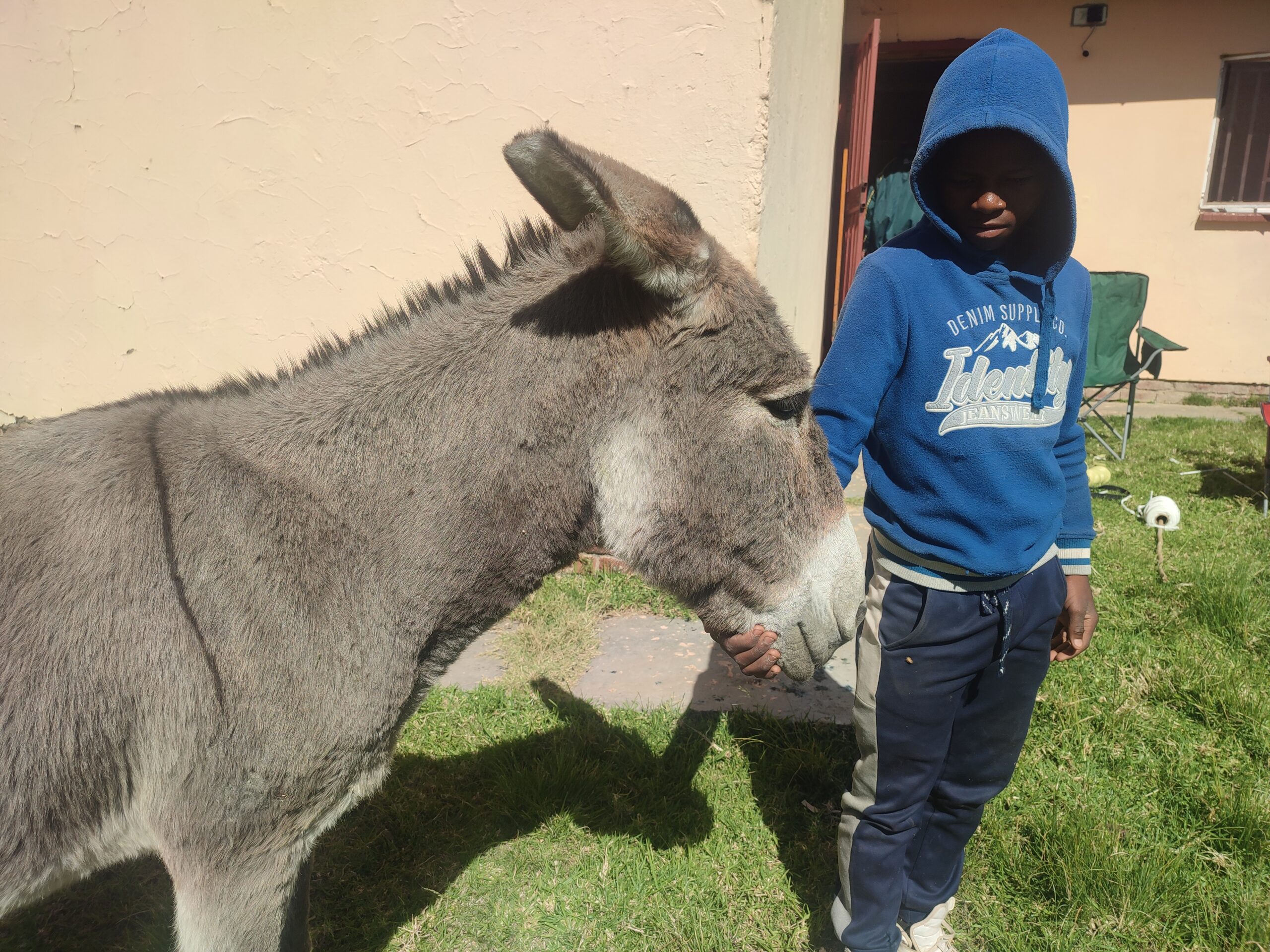
Humane Education
Enables communities to understand and practice animal welfare with an understanding of the relationship between animals, the environment and humans.
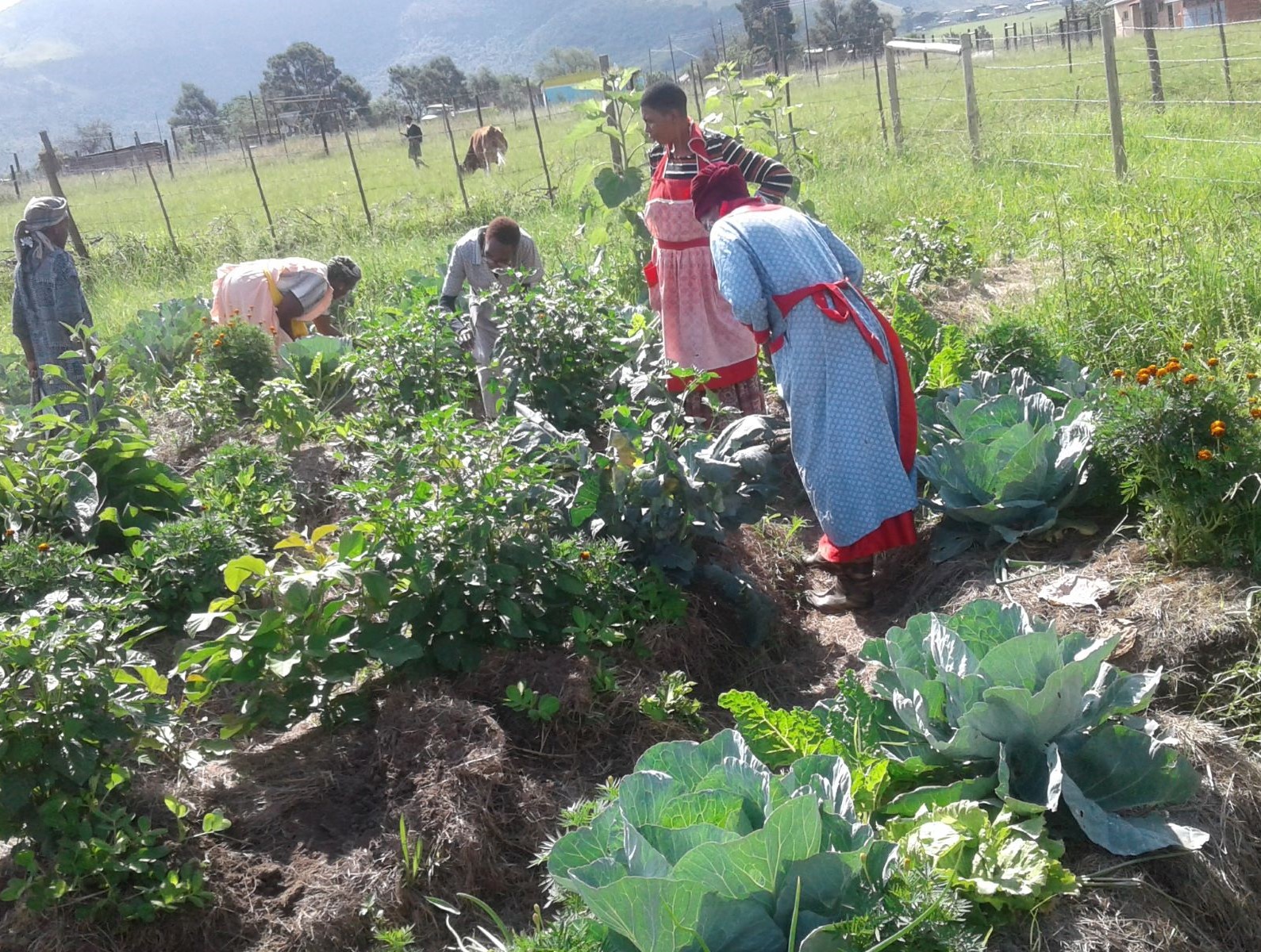
Agricultural Resource Hubs
Organic community food gardens improve food security and provide fresh organic vegetables for the community.
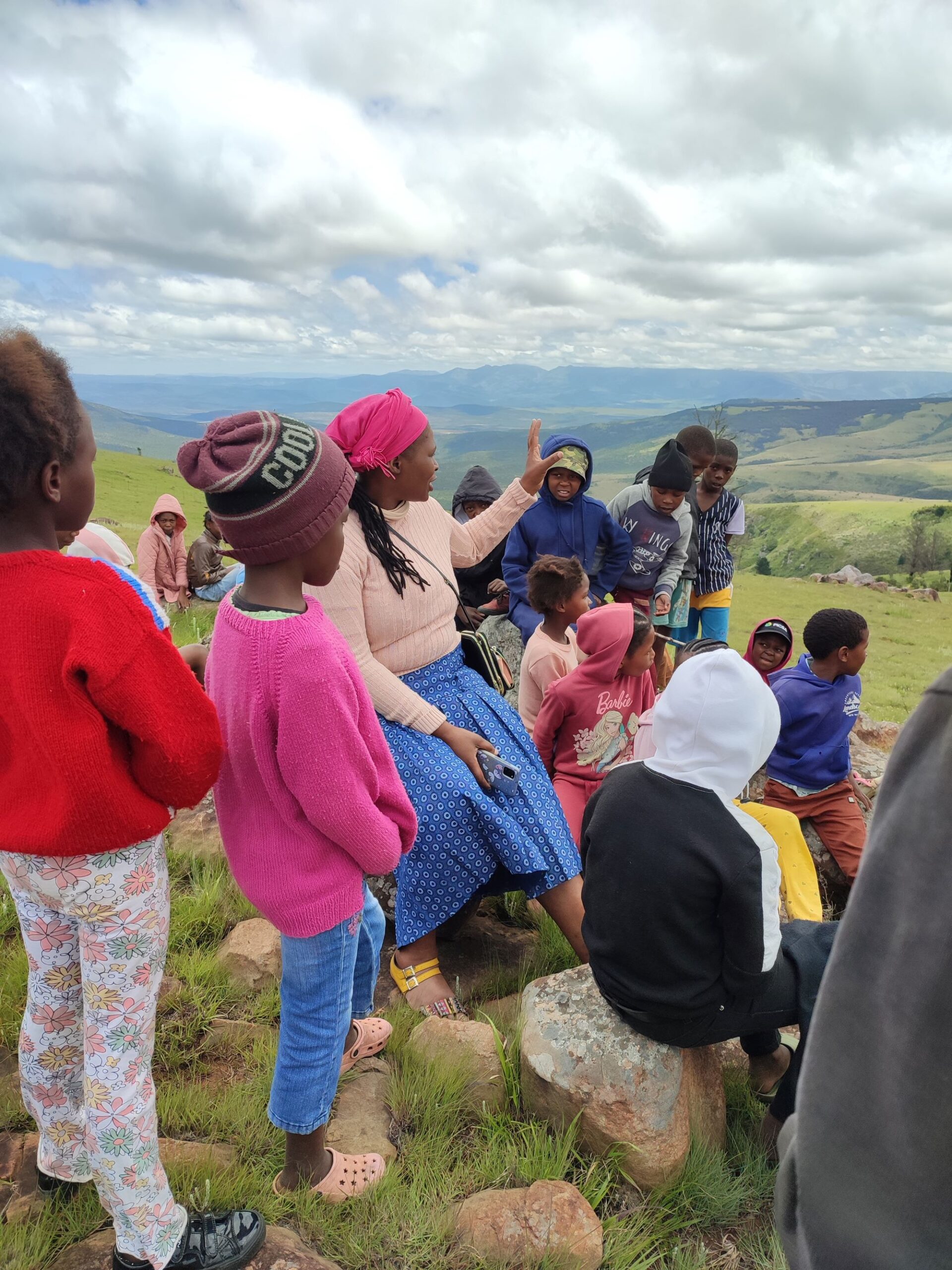
Reconnecting people and biodiversity
People learn to understand, value, restore and protect the environment they rely on for natural resources.
We believe that community health and wealth is cultivated by the people being the drivers of the change process to break the “dependency syndrome”.
Our Vision is that One Health is realised in the Upper Tyhume Valley and surrounding Amathole Component.
Our Values are compassion, understanding and sharing of information, These values keep us focused on why we do what we do and to not lose faith in our abilities and the importance of what we do.
Our Work
Humane Education
Humane education allows people to understand the welfare needs, sentience and value of other animals. It develops compassion and respect for the similarities between people and other animals; and the environment.
Our Entrepreneurial Skills training for donkey owners included humane education, which village children enjoyed.
We thus expanded our humane education to learners in village schools, where educators also showed great interest in learning.
We conduct practical sessions in the village where whole communities can experience and learn practically.
Agricultural Resource Hubs
An Agricultural Resource Hub (ARH) is a space (usually < 1 hectare) where the community can develop an organic community food garden, collect and sell/exchange wild pollinated seed, grow and sell seedlings, sell vegetables and other products (value adding).
The Hub is worked and managed by a team of volunteers from the village. The management team receive an income from profits made from sales and take vegetables from the garden for home use.
We have assisted teams in 4 villages to establish and manage ARHs. These places improve food security in the village by providing organic food for the village people and are climate wise.
Seed is collected from plants selected to produce seed, which produces seeds, thus plants that are adapted to the local conditions.
Reconnecting people and biodiversity
Our Reconnecting People and Biodiversity work provides practical education for village people to understand the biodiversity/climate change nexus, to reconnect to the natural systems they rely on and the value of protecting biodiversity.
Land restoration is one of the key outcomes which village people request. They have also requested education of the youth.
This work also links to establishing and managing Agricultural Resource Hubs, where village people can grow indigenous vegetables and medicines to preserve wild populations.
We have thus far worked with people in 3 villages in the Upper Tyhume Valley.